 (352) 726-2196

Septic System Installation
Reliable Wastewater System Installation
Get Professional Septic System Installation in Inverness, FL, and Nearby Areas
Proper septic system installation supports wastewater flow, protects property drainage, and helps systems function correctly for years.
A failing or outdated septic system can create serious problems for homeowners and business owners. Wastewater drainage issues may lead to slow plumbing, standing water, or unpleasant odors around the property. When a system reaches the end of its service life or when a new property requires wastewater management, a new septic system installation becomes necessary. Without proper installation, these issues can continue and eventually cause larger structural or environmental concerns.
Ignoring these warning signs can lead to system failure, property damage, and costly repairs. Poorly installed systems may also struggle to manage wastewater effectively, especially when soil conditions or property layout are not properly evaluated. Property owners often face uncertainty when planning a septic tank installation because each system must be designed to match the property’s specific drainage needs.
King Septic, Inc. provides septic system installation in Inverness, FL, for homeowners and business owners throughout Citrus County. With over 20 years of industry experience, our family-owned team installs septic tanks and wastewater systems designed for long-term performance. Every residential septic system installation begins with site evaluation, planning, and careful septic system construction to ensure the system operates correctly. If you are planning a new build or replacing an aging system, contact King Septic, Inc. to schedule a septic system installation estimate today.
Efficient Septic Systems Built for Long-Term Performance
A properly installed septic system is essential for wastewater management in homes and businesses without municipal sewer connections. Our team installs systems designed to support drainage, filtration, and wastewater treatment across a wide range of property types. Every septic system installation project is carefully planned to match the property layout, soil conditions, and expected water usage.
During a new septic system installation, our team evaluates the site and determines the appropriate septic tank installation layout for the property. This planning stage allows the system to function properly from the beginning and helps prevent drainage issues in the future. Residential septic system installation requires careful placement of tanks, pipes, and field lines to allow wastewater to move safely through the system.
- Property Evaluation: Soil conditions and drainage capacity are reviewed before septic system construction begins, including a PERK test (soil test) during the property evaluation. This step measures how well the soil absorbs wastewater and helps determine the correct tank size and layout for the property. Conducting a PERK test also helps prevent drainage issues, ensures proper wastewater flow, and reduces the risk of future system performance problems.
- System Design Planning: Each septic tank installation is designed around the property’s wastewater usage. Tank capacity, pipe layout, and drain field placement are determined to support proper filtration and wastewater movement.
- Tank Installation Process: Septic tanks are carefully placed and connected to the plumbing system. Proper placement ensures the system can support residential septic system installation needs and manage daily wastewater loads.
- Drain Field Setup: Field lines allow wastewater to filter through soil and safely disperse underground. Correct installation supports long-term performance and helps prevent drainage problems.
Many property owners schedule routine septic tank pumping after installation to maintain the system and prevent sludge buildup that could affect system operation.
Schedule Installation for a New Wastewater System
Planning septic system installation is an important step for any property that relies on a private wastewater system. Homeowners building new properties often require residential septic system installation to manage daily wastewater. Older systems may also require replacement when tanks, pipes, or drain fields begin to fail. When installation is completed correctly, the system supports safe wastewater filtration and drainage for years.
Working with a licensed septic system contractor helps ensure the installation process follows local requirements and proper construction standards. King Septic, Inc. installs septic systems throughout Inverness and Citrus County for homeowners and business owners who depend on reliable wastewater management. Our team explains each step of the septic system construction process so property owners understand how their system will function.
In addition to installation projects, our team also provides maintenance services such as septic pumping and inspections that help keep systems functioning properly after installation. Routine service can identify early signs of wear and help extend the life of the system.
If you are planning a septic tank installation or replacing an aging wastewater system, King Septic, Inc. provides septic system installation in Inverness, FL, designed to meet property requirements. Contact our team today to discuss your septic system installation needs and schedule an estimate.
Frequently Asked Questions About Septic System Installation
-
Most septic system installation projects take several days, depending on property conditions, soil type, and the complexity of the system design.
-
Cost may vary depending on tank size, property layout, soil conditions, and drain field requirements needed for septic system construction.
-
Signs such as wastewater pooling, strong odors, slow drains, or repeated plumbing issues may indicate the need for septic system replacement.
-
Yes. Septic systems should be inspected and pumped periodically to remove sludge buildup and maintain system performance.
-
Yes. Septic system design takes household size and water usage into account so the system can handle daily wastewater needs.
Our Services
Professional Septic System Installation, Maintenance, and Repairs
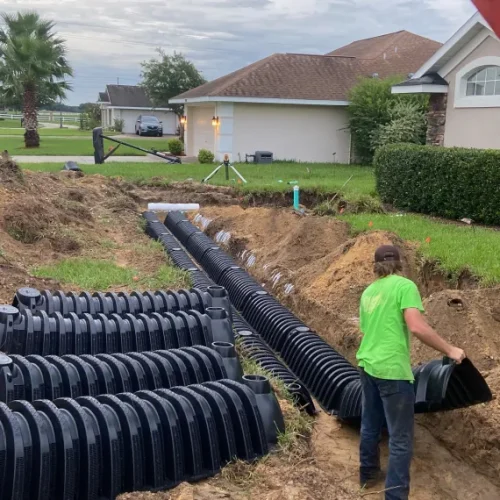
Septic System Installation
Get a durable septic system installation designed for long-term wastewater management. Start planning your new septic system today.
Read More
Septic Pumping & Pump Outs
Schedule dependable septic pumping service to remove sludge buildup and protect system performance. Book routine tank pumping today.
Read More
Nitrogen-Reducing Septic Systems (ATU) (INRB)
Install advanced nitrogen-reducing septic systems (ATU) (INRB) that support wastewater treatment standards. Maintain aerobic treatment units today.
Read More
Drain Field Repairs
Repair damaged drain field systems affecting wastewater drainage and filtration. Restore septic field performance today.
Read More
Septic System Repairs
Fix malfunctioning septic system issues affecting pipes, tanks, and drainage. Restore system function today.
Read More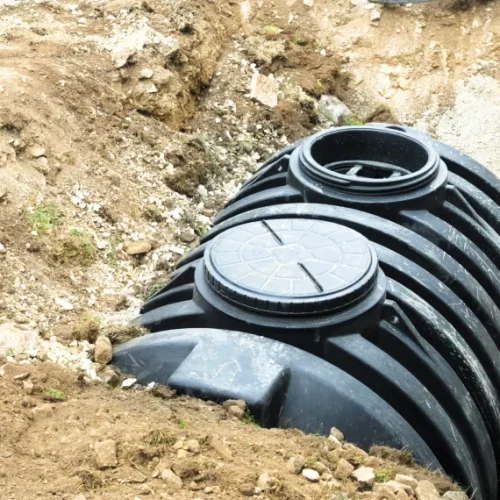
Septic Service Inspections
Schedule a septic system inspection to evaluate tank condition and identify early issues. Book an inspection today.
Read More
Land Clearing
Professional land clearing services to prepare your property for septic installation, repairs, and upgrades with the efficiency of a single, experienced team handling the entire process.
Read More
Demolition
Safe demolition and site clearing for residential and commercial projects, protecting septic systems and infrastructure throughout Citrus County.
Read More